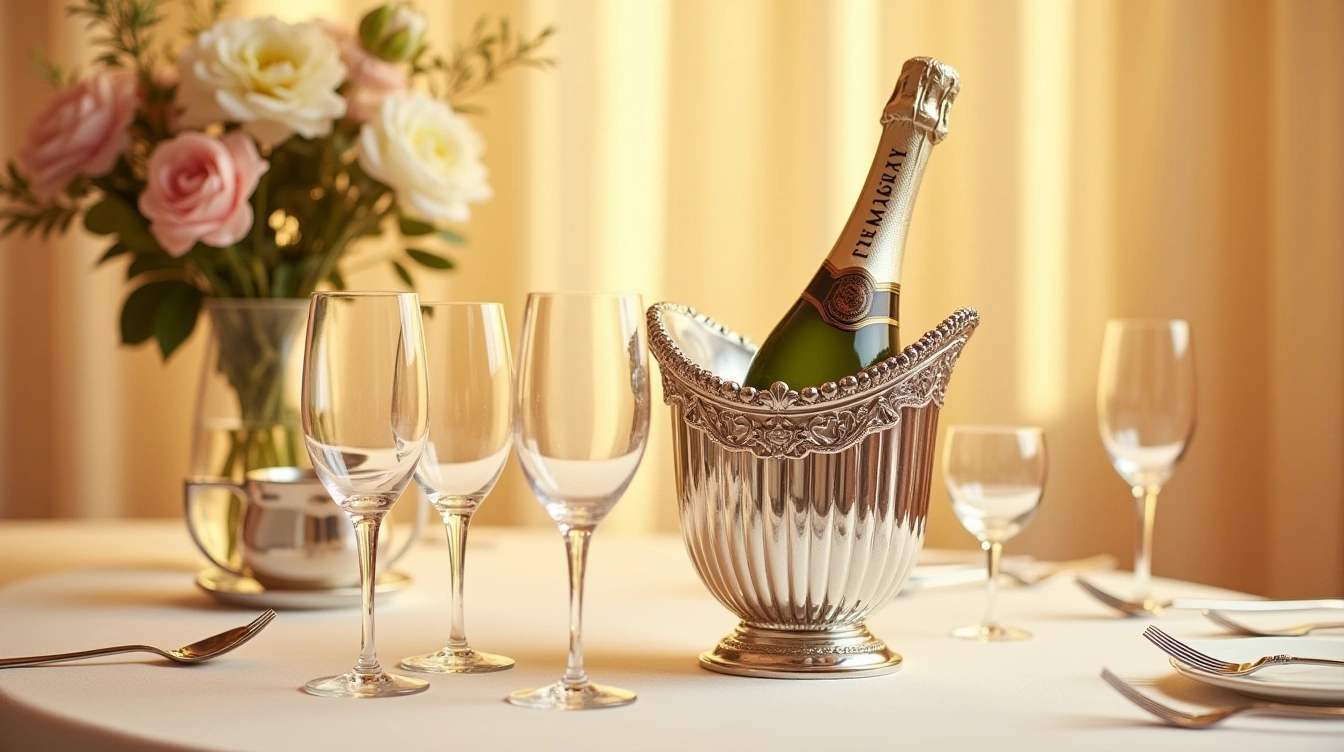
The sound of a popping cork instantly evokes images of celebration and luxury. Champagne stands as the quintessential symbol of special occasions, representing joy, achievement, and refined taste. What truly distinguishes this sparkling wine from all others? Exploring the heart of the champagne region of France reveals a story rooted in tradition, meticulous savoir-faire, and a rigorous appellation law that safeguards its legendary identity.
What makes champagne unique?
Champagne is far more than an ordinary sparkling wine. Its singularity stems from both its unique geography and centuries-old winemaking expertise established in northeastern France. The region’s cool climate, chalky soils, and gently rolling vineyards contribute to an unmatched level of elegance and complexity found in every glass.
In the same genre : How Can the Right Utensils Transform Your Culinary Experience?
Unlike other sparkling wines produced around the globe, only those created within the boundaries of the champagne region of France—and crafted according to strict regulations—are entitled to bear the prestigious “champagne” name. This protected status, fiercely upheld by local producers, ensures not just quality but also a deep respect for regional heritage.
The grapes and methods behind authentic champagne
Also read : What are the top UK kitchen products for organizing your space?
Three principal grape varietals form the backbone of most champagnes: each brings distinct character, shaping the spectrum of champagne types and styles. Masterful blending and precise aging techniques create the signature finesse that defines the best champagne on the market.
Anyone wishing to delve into the world of sparkling wines should consider discovering the fascinating variety offered by champagne. Production relies on secondary fermentation within the bottle—a process responsible for the fine bubbles that give champagne its celebratory sparkle. Patience is essential, as many bottles rest on their lees for years before reaching tables worldwide.
Main champagne grapes and their roles
Pinot Noir provides body and structure, contributing intensity and subtle notes of red berries or spice. Pinot Meunier brings freshness and fruit-forward aromas, while Chardonnay imparts crispness, elegance, and delicate citrus or floral nuances. These three varietals allow champagne houses to craft diverse expressions of flavor and style.
Certain exceptional bottles feature a single grape variety. For instance, “blanc de blancs” is made exclusively from Chardonnay, offering pure minerality and vibrant freshness. Conversely, “blanc de noirs” uses only Pinot Noir and Pinot Meunier, resulting in richer, rounder profiles.
The traditional method: how bubbles are born
The “méthode champenoise” distinguishes champagne production from all other categories of sparkling wine. First, the base wine undergoes primary fermentation. After bottling, a blend of sugar and yeast triggers a second fermentation inside sealed bottles, trapping carbon dioxide and forming the coveted fine bubbles.
During maturation, bottles are carefully rotated and repositioned—a practice known as riddling—to gather sediment near the neck, which is later expelled during disgorgement. This exacting process guarantees the remarkable clarity and depth characteristic of luxury champagne.
Champagne types and styles: decoding the labels
Selecting a bottle can be overwhelming given the range of options available. Understanding the vocabulary of champagne types and styles clarifies choices when exploring both iconic and emerging producers.
Brut, rosé, and blanc de blancs are among the most popular varieties, each suiting different palates and pairing scenarios. Sweetness levels further distinguish bottles, making it simple to find one tailored to any occasion.
- Brut: The driest style, offering crispness and prominent acidity with minimal sugar.
- Rosé: Recognized for its pink hue and subtle berry notes, achieved through blending or brief skin contact.
- Blanc de blancs: Crafted solely from Chardonnay, revealing finesse and mineral-driven flavors.
- Demi-sec/Sec/Doux: Sweeter options, perfect for dessert pairings.
This diversity demonstrates how the best champagne can enhance anything from an aperitif to a grand celebration.
Another important distinction is vintage versus non-vintage. Vintage champagne is made using grapes from a single exceptional year, reserved for luxurious releases and extended cellaring. Non-vintage combines several harvests, guaranteeing consistency in house style year after year.
Appellation rules and protection of authenticity
Stringent regulations govern every aspect of champagne production. Only wines meeting these criteria may display the revered name on their label. French law dictates allowed grape varietals, vineyard yield limits, minimum aging periods, and approved production practices to uphold high standards.
This appellation law preserves both product excellence and the global reputation of the champagne region of France. Producers who stray from these requirements risk significant penalties, reflecting the seriousness with which authenticity is defended.
| Requirement | Champagne | Other sparkling wine |
|---|---|---|
| Approved region | Yes (Champagne only) | No restriction |
| Grape varietals | Only Pinot Noir, Pinot Meunier, Chardonnay | Varied, any permitted locally |
| Bottle fermentation | Mandatory (traditional method) | Optional |
| Minimum aging (non-vintage) | 15 months | Often less, varies |
Celebration, culture, and why champagne endures
Few beverages share such a universal connection to celebration and happiness. A toast with champagne marks weddings, New Year’s Eve, personal triumphs, and cultural milestones across the world. Since the 17th century, luxury champagne has graced historic events and welcomed dignitaries, reinforcing its role as a drink of prestige.
Its association with elegance and complexity extends into art, film, and fashion. Select champagne houses have built reputations for crafting rare cuvées, often sought by collectors and sold at auction for record prices, embodying exclusivity and distinction.
- Milestone anniversaries and achievements
- End-of-year festivities and family gatherings
- Sporting victories and awards ceremonies
- Weddings, engagements, and romantic moments
Each of these occasions highlights champagne’s enduring role as a symbol of joy and refinement. Whether poured from everyday bottles or limited-edition magnums, its presence signals something truly memorable.
A closer look at champagne houses and producers
Across the picturesque landscapes of Reims, Épernay, and neighboring villages, hundreds of producers express distinct philosophies. Some focus on large-scale production and international reach; others devote themselves to small-batch bottles that reflect careful craftsmanship and attention to detail.
Renowned houses shape consumer expectations, while independent growers experiment and pioneer sustainable approaches. This breadth ensures that both seasoned connoisseurs and curious newcomers can discover a champagne brand that delights the senses and fulfills their vision of indulgence.
Frequently asked questions about champagne
What are the main differences between champagne and other sparkling wine?
Champagne is safeguarded by strict appellation laws, meaning only sparkling wines made in the champagne region of France using specific grape varietals and the traditional method can carry the champagne designation. Most other sparkling wines originate from various regions and do not adhere to the same rigorous standards regarding grapes or production techniques.
- Originates only from the Champagne region
- Uses exclusively Pinot Noir, Pinot Meunier, and Chardonnay Produced via secondary bottle fermentation (méthode champenoise)
- Protected designation ensures authenticity
| Feature | Champagne | Other Sparkling Wines |
|---|---|---|
| Region | Champagne (France) | Various countries |
| Method | Méthode champenoise | Multiple, including tank method |
| Grapes | Chardonnay, Pinot Noir, Pinot Meunier | Diverse, depends on region |
How should I serve and store champagne for the best experience?
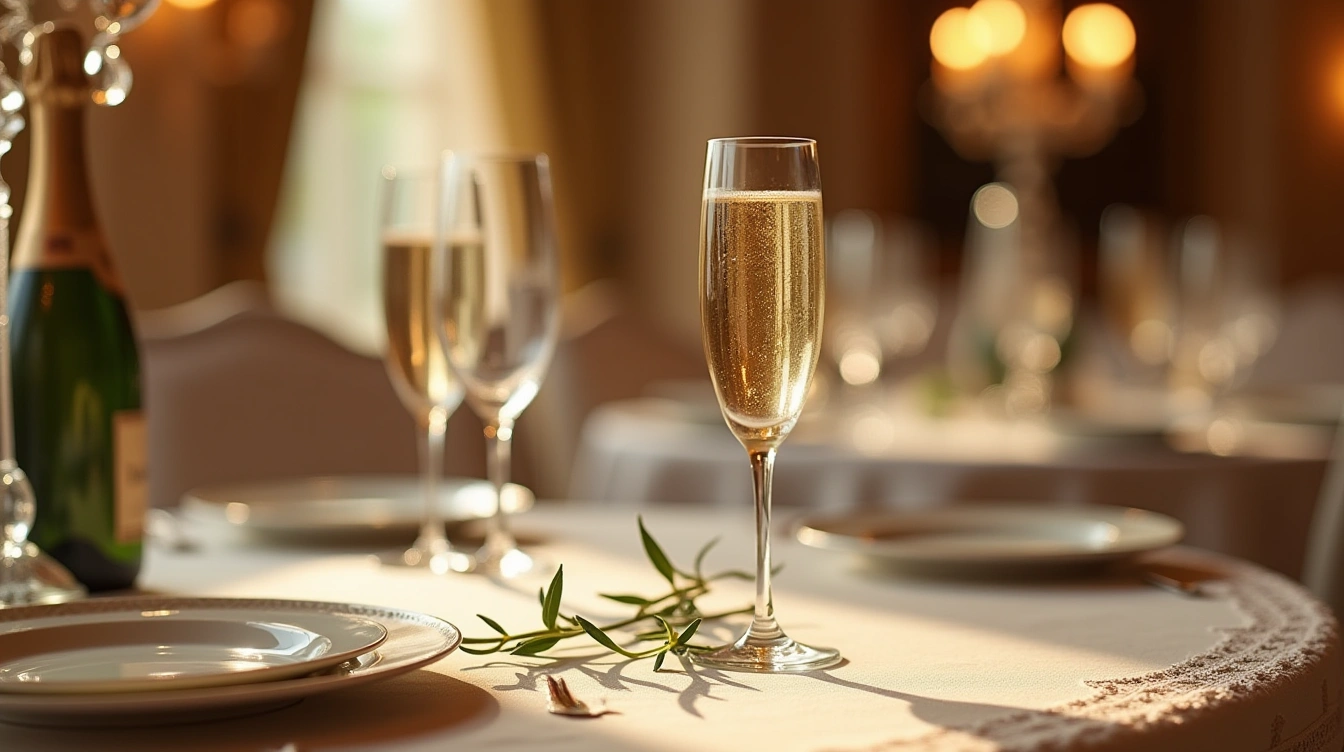
Serving temperature and glassware play a crucial role in your tasting experience. Champagne is best enjoyed chilled between 8-10°C (46-50°F). Use tall, narrow flutes or tulip glasses to accentuate bubbles and aroma. Store bottles horizontally in a cool, dark place, away from vibration or sudden temperature changes.
- Maintain a steady cool temperature
- Serve in flute or tulip glass
- Keep away from light and strong odors
What food pairs well with different types of champagne?
Certain foods enhance the flavors and texture of various champagne types. Brut complements seafood and salty snacks. Rosé pairs beautifully with poultry, sushi, or fruity desserts, while blanc de blancs harmonizes with shellfish and creamy cheeses.
- Brut: Oysters, caviar, potato chips
- Rosé: Sushi, duck breast, berry tarts
- Blanc de blancs: Goat cheese, shrimp, grilled fish
- Demi-sec/Doux: Fruit salad, cheesecake, pastries
Why is champagne considered a luxury drink for celebrations?
Several factors elevate champagne as an emblem of luxury and festivity. Strict geographic limitations, labor-intensive production, prolonged aging, and the historical prestige of major champagne houses combine to create an aura of sophistication and rarity. These qualities reinforce its enduring connection to notable celebrations and elegant living.
- Heritage linked to French royalty
- Reputation for exceptional craftsmanship
- Associated with success and exclusivity